
About Dumaguete City
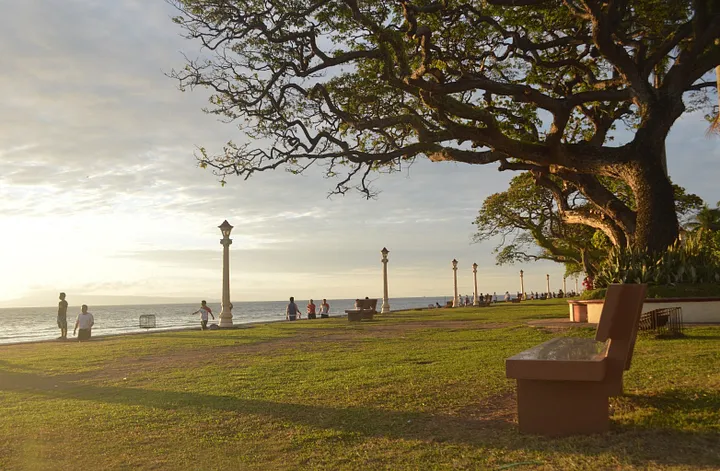
Located on the southeastern coast of Negros Oriental in the Central Visayas region of the Philippines, Dumaguete is widely known as the “City of Gentle People.” The city has earned a reputation as one of the safest, friendliest, and most welcoming destinations in the country, attracting a growing mix of both local and international visitors.
Despite its relatively small size, Dumaguete offers a unique blend of relaxed coastal living, vibrant student life, and easy access to some of the region’s most beautiful natural attractions.
Accessibility and Transportation
Dumaguete is well connected to the rest of the Philippines by both air and sea.
The city has a busy domestic airport with daily direct flights operated by Cebu Pacific and Philippine Airlines from Manila and Cebu City. These major hubs also provide convenient connections to many other destinations throughout the country.
Dumaguete’s seaport is equally active. Multiple ferry companies operate daily routes linking the city with nearby islands such as Cebu, Siquijor, Bohol, and Mindanao via Dapitan. Longer-distance ferry routes also connect Dumaguete to Manila on a weekly schedule.
Looking ahead, the region is preparing for significant improvements in connectivity. A new international airport is currently planned, with construction expected to begin in December 2026. Once completed, the airport will allow direct international flights from major Asian hubs.
This development is expected to accelerate ongoing improvements to regional infrastructure. Major road widening projects are already underway, along with upgrades to power and water systems, new traffic management systems, and improved waste management initiatives.
A Growing University City
Dumaguete has experienced steady growth in recent years and continues to develop as an educational and cultural center in the region.
The city is home to four major universities along with several colleges and academic institutions. This strong student population gives Dumaguete a lively, youthful atmosphere.
Healthcare services are also expanding. The city currently has two major hospitals, with additional medical facilities under construction.
In addition, Dumaguete offers a variety of museums, art galleries, bookstores, and shops selling both local products and international goods.
Food and Dining
One of the most noticeable developments in recent years has been Dumaguete’s growing food scene.
The city now offers a wide range of restaurants, cafés, and bars serving both Filipino and international cuisine. New dining establishments open regularly, and overall service quality and dining standards continue to improve.
Whether you are looking for local street food, casual cafés, or international dining options, Dumaguete provides a surprisingly diverse culinary experience.
Natural Landscape
Providing a dramatic natural backdrop to the city is Mt. Talinis, also known as Cuernos de Negros (“Horns of Negros”) because of its twin peaks.
Rising to approximately 1,900 meters, the slopes of this dormant volcano are covered in dense tropical rainforest rich in biodiversity. The mountain dominates the skyline and creates a striking landscape visible from many parts of the city.
Best Time to Visit
Weather patterns around the world have become less predictable in recent years, and Dumaguete is no exception.
Traditionally, the dry season ran from December to May, while the rainy season occurred between June and November. In recent years, however, this pattern has shifted.
The dry season now typically begins around February or March and may last until June or July.
The rainy season—generally milder than in northern parts of the Philippines—has become more variable. In some years rainfall remains moderate, while in others it may begin around July or August and continue through January or February.
Despite these changes, Dumaguete remains fortunate in that extreme weather conditions are relatively rare.
Typhoon Season
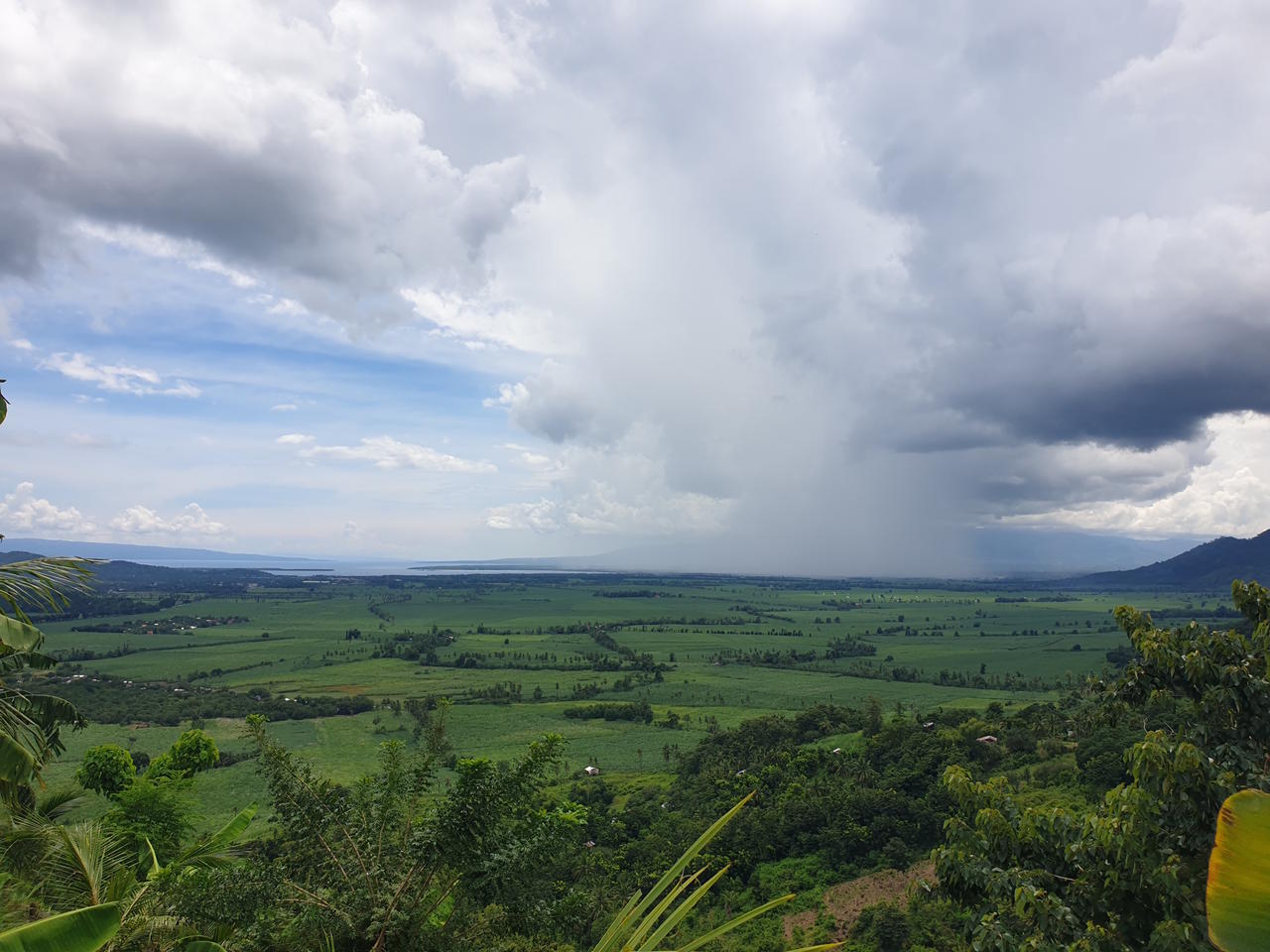
Typhoon activity has also shifted slightly.
Traditionally occurring between June and October, storms are now more commonly seen between July and November, with peak activity around September.
Fortunately, Dumaguete lies just south of the main typhoon belt. Of the roughly ten typhoons that typically make landfall in the Philippines each year, most track further north. As a result, the city is often spared the worst impacts.
Occasional storms do affect the region, but recent events have generally been relatively mild.
Climate
Temperatures remain fairly consistent throughout the year.
Average nighttime lows range between 24–25°C during the cooler months of November to January, while daytime highs typically reach 29–31°C during the warmer months of June to August.
Humidity levels usually range between 75% and 84%, so staying well hydrated is always recommended on hot and humid days.
Things to Do
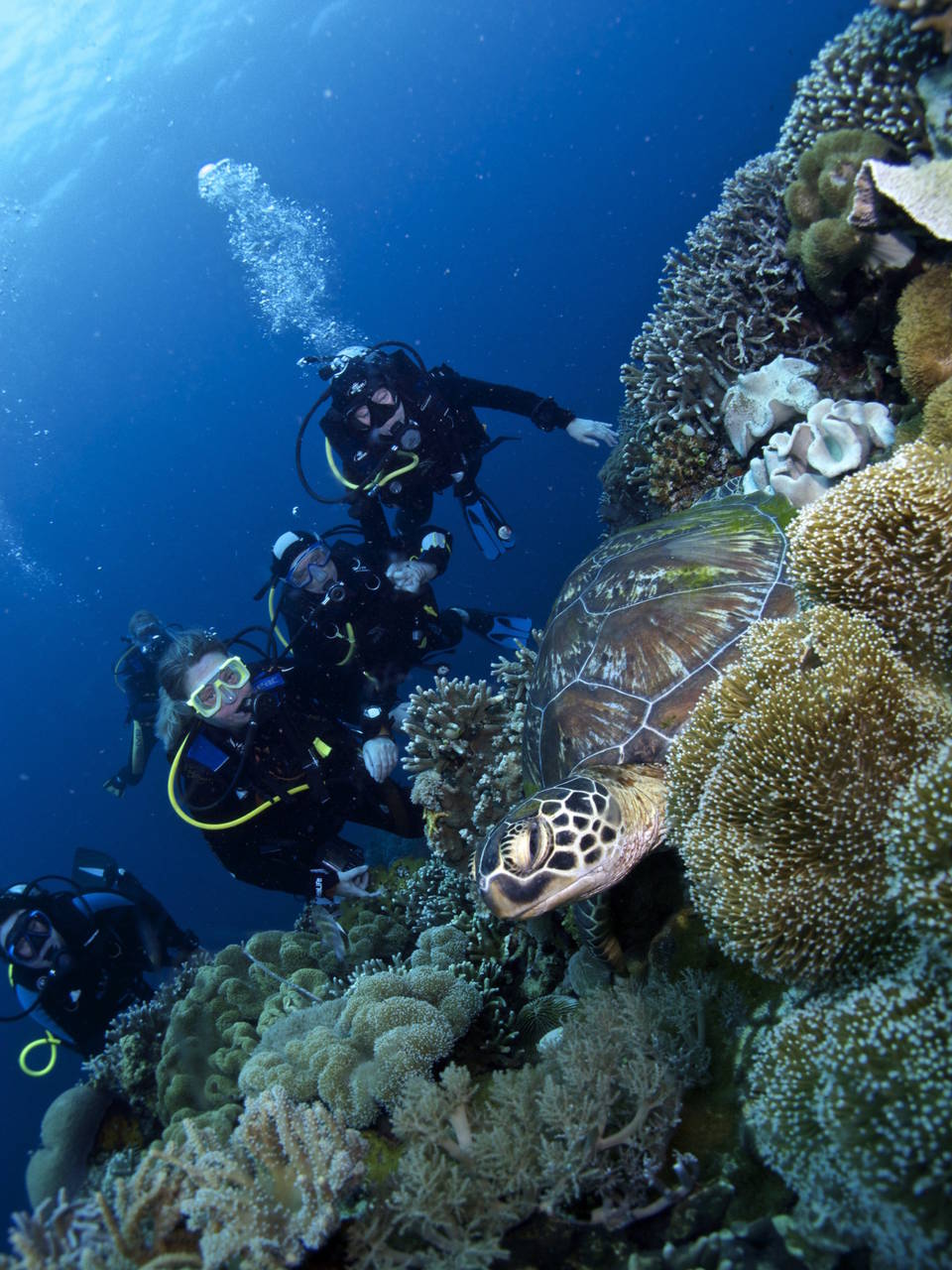
The Dumaguete region is internationally known for world-class diving, particularly along the nearby coast of Dauin. However, visitors who are not divers will still find plenty of activities and attractions to explore.
Exploring Dumaguete City
Spend time discovering the city itself or take a short trip to the nearby mountain town of Valencia.
Popular activities include:
- Walking along the seaside boulevard
- Visiting local parks and markets
- Exploring the historic campus of Silliman University
- Visiting the oldest stone church and belfry in Negros Oriental
- Discovering museums and art galleries
- Enjoying the city’s diverse restaurants and cafés
If you are lucky, you may also catch a concert or performance at the Luce Auditorium, located on the Silliman University campus.
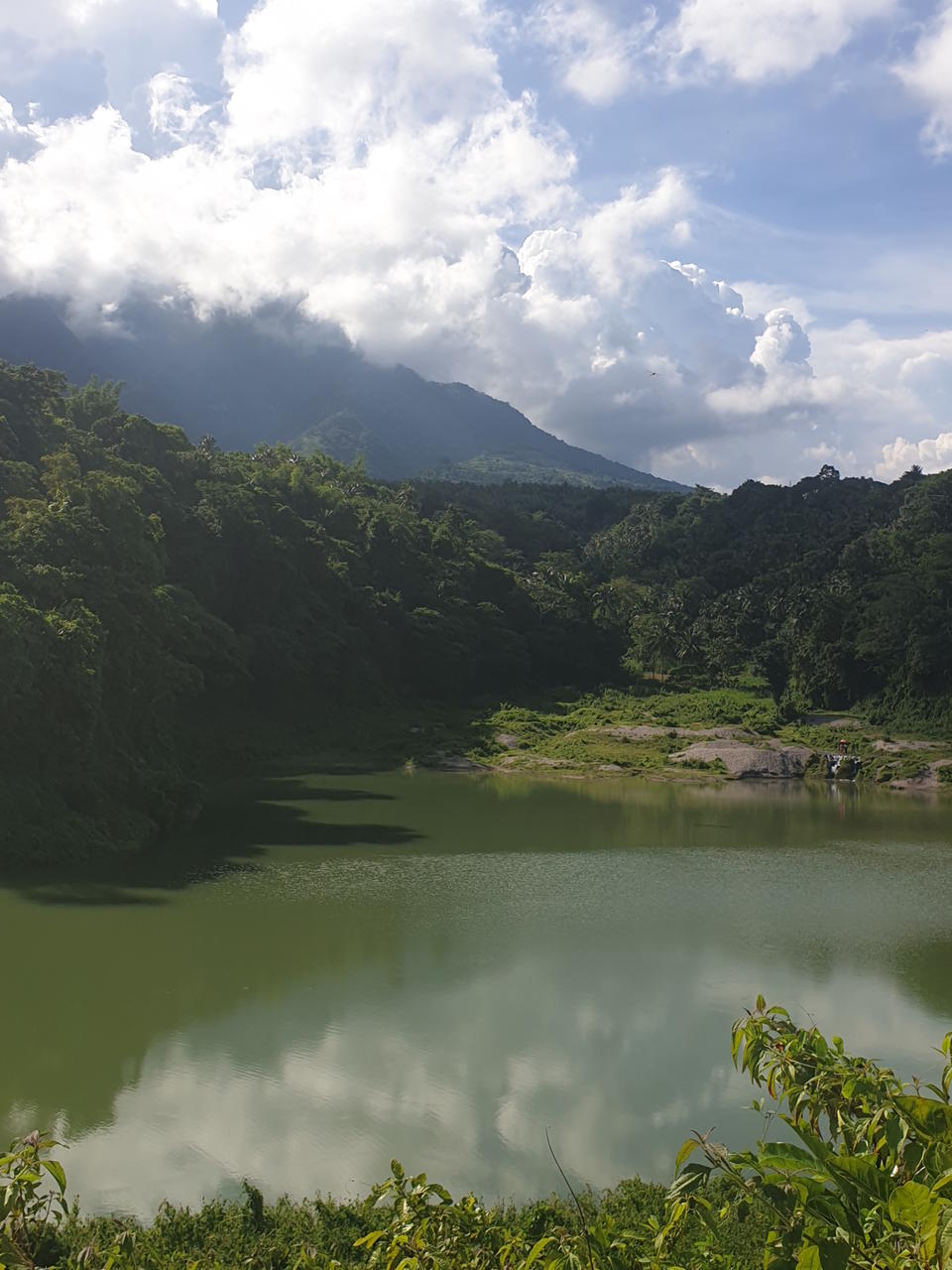
Twin Lakes Natural Park
About one hour north of Dumaguete lies Twin Lakes Natural Park, a protected forest reserve containing two beautiful freshwater lakes: Lake Balinsasayao and Lake Danao.
Surrounded by dense tropical forest filled with towering trees and exotic plant life, the park is home to a wide range of wildlife. Birdwatchers in particular will appreciate the large variety of species found in the area.
Visitors can take a paddle boat across Lake Balinsasayao and climb to a viewpoint located between the two lakes, offering scenic panoramic views. A peaceful walking trail also loops around part of the lake.
Casaroro Falls
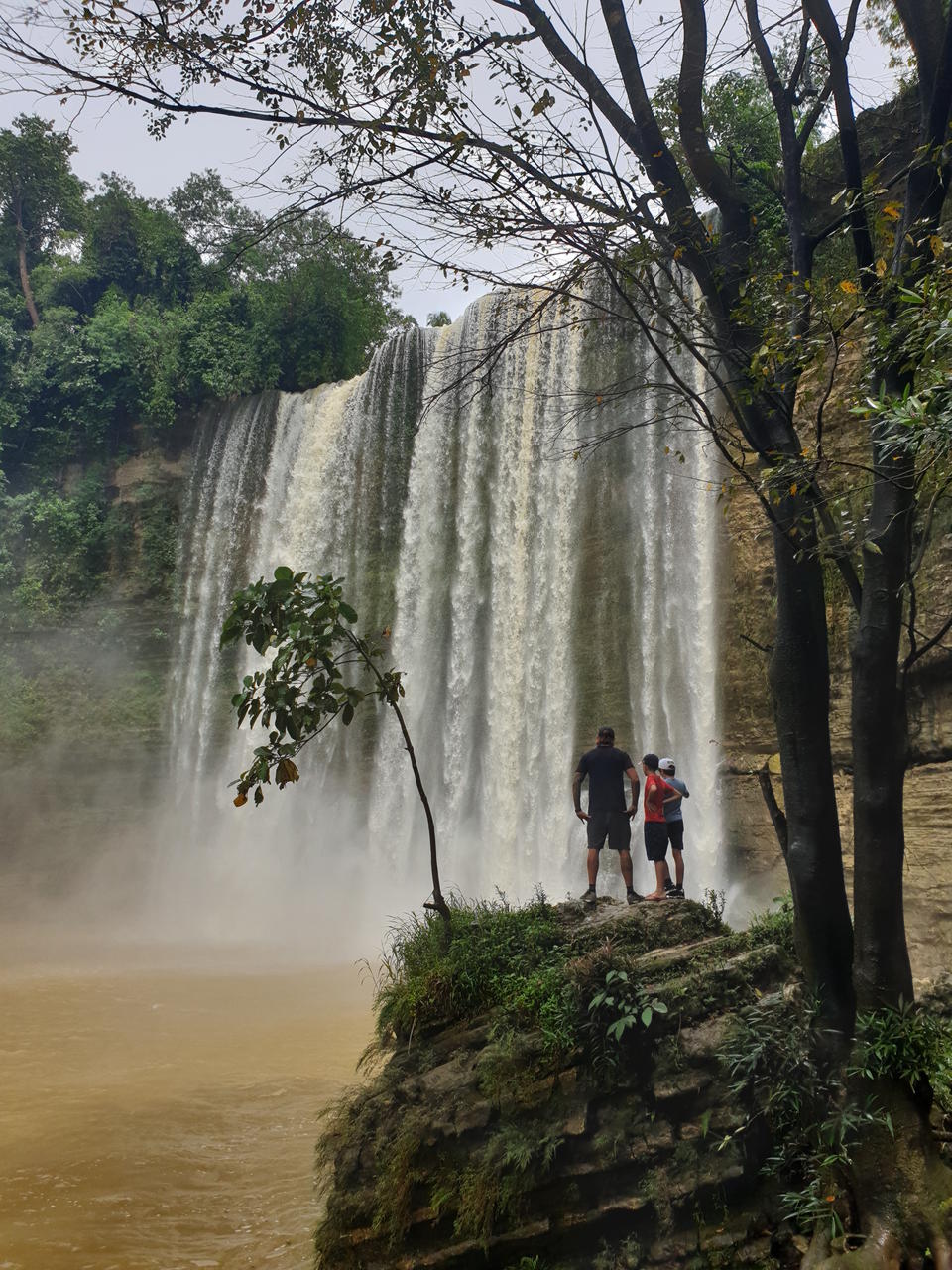
Located in Valencia, about twenty minutes from Dumaguete, Casaroro Falls is one of the most impressive waterfalls in the region.
The waterfall plunges dramatically into a small freshwater pool surrounded by lush forest.
Access to the falls requires a moderately challenging hike. A staircase that once provided easier access was destroyed by a past typhoon and has not yet been rebuilt. Visitors should therefore be prepared for a steep descent into the valley and a climb back out afterward.
Proper footwear is strongly recommended, as sections of the trail can be muddy and slippery.
Mount Talinis Trekking
For adventurous visitors, hiking to the summit of Mt. Talinis offers an unforgettable experience.
This challenging full-day trek passes through dense rainforest and rugged terrain. Local guides are required and lead hikers along routes that include climbing moss-covered rocks, navigating vines and branches, and crossing steep forest slopes.
One of the most notable features of the mountain is Lake Nailig, a volcanic crater lake often used as a rest point along the trail.
The mountain is also home to another crater lake called Lake Yagumyum, along with unusual landscapes shaped by sulfur vents that have bleached rocks and trees in certain areas.
On clear days, hikers who reach the summit are rewarded with spectacular views of the surrounding rainforest, the city of Dumaguete below, and nearby islands including Apo, Siquijor, Cebu, and Sumilon.
Other Nearby Attractions
Several interesting destinations can also be found within a few hours of Dumaguete:
- Manjuyod White Sandbar and dolphin watching in Bais
- Balanan Lake in Siaton
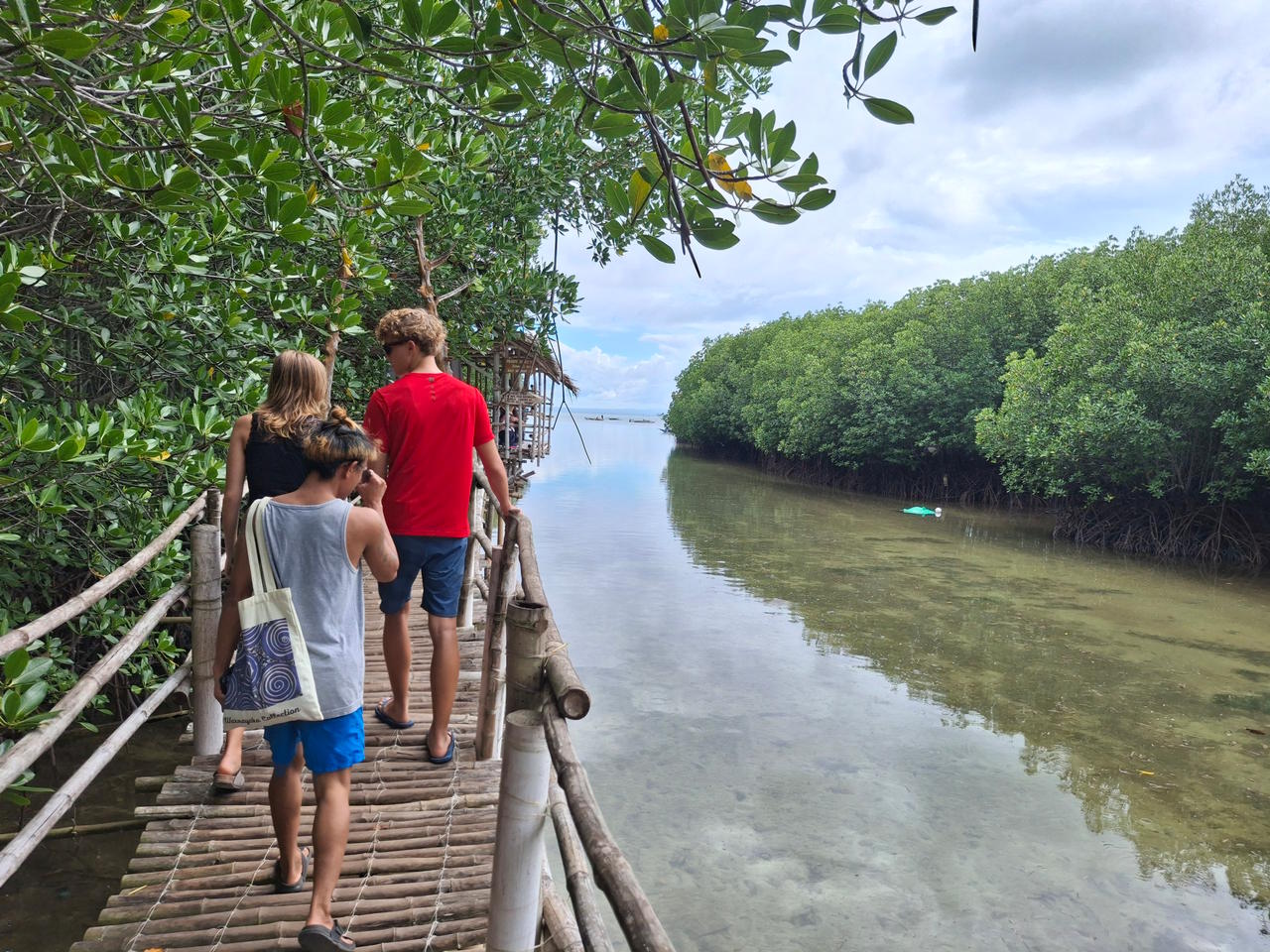
- Siit Mangrove Eco Walk
- Niludhan Falls in Bayawan
- Monkey Sanctuary and Santabucks Eco Park in Catalina
Travel Tips
The Philippines is generally a safe and welcoming destination for travelers.
Filipinos are widely known for their hospitality and friendliness. Visitors who respect local customs and traditions are usually met with warmth and genuine kindness.
Travel within the country can sometimes require patience. Bus and ferry schedules are not always clearly posted, and departure times may occasionally change. Maintaining a flexible travel mindset will make the experience far more enjoyable.
Getting Around
Tricycles are one of the most common forms of transportation in Dumaguete and are ideal for short trips.
Drivers are usually friendly, and fares can often be negotiated before the ride begins.
Traditional taxis are less common outside major cities. Ride-hailing services such as Grab can provide a convenient alternative when available.
Tipping
Tipping is not strictly required in the Philippines, but it is always appreciated.
There is no fixed standard, and visitors can simply tip according to the quality of service received.
Typical guidelines include:
- Restaurants: around 10–20% if no service charge is included
- Taxi drivers: 50–100 PHP for longer trips
- Porters: 30–50 PHP
- Spa, hair, or massage services: 100–150 PHP
Ultimately, tipping is optional and should reflect your personal satisfaction with the service.
Health and Safety
Mosquitoes are common in tropical climates and are most active around sunset.
Visitors who are sensitive to insect bites may wish to use mosquito repellent such as OFF! or other products containing DEET. These are widely available in local stores.
Wearing long trousers or long-sleeved clothing in the early evening can also help reduce mosquito bites.
Although some parts of the Philippines carry risks of mosquito-borne illnesses such as malaria or dengue fever, Dumaguete and much of Negros Oriental are generally considered low-risk areas.
Local Wildlife
One creature visitors will likely encounter indoors is the house gecko.
These small lizards are harmless and actually beneficial, as they feed on mosquitoes and other insects. Their distinctive chirping sound is a common part of tropical life.
Final Thoughts
The Philippines is a remarkable country made up of more than 7,000 islands, offering everything from remote beaches and dramatic mountain landscapes to vibrant cities and world-class diving destinations.
Dumaguete stands out as one of the most relaxed and welcoming places to experience this diversity.
As with travel anywhere, visitors should remain aware of their surroundings and avoid displaying large amounts of cash or expensive valuables in public. Security concerns in the Philippines tend to be limited to specific regions, and most popular travel destinations are safe for visitors.
If you are ever unsure about conditions in a particular area, it is always best to check directly with your hotel, resort, or accommodation provider for the most current information.